Sensitivity or Censorship?

Photo by Freddy Kearney on Unsplash

by Alea Simbro

Today, the terms “banned book” and “book censorship” often provoke images of raging bonfires stacked high with books, the smoke of repression smothering out stories before they can reach the masses. As defined by Yvonne Vissing and Melissa Juchniewicz, humanities professors at Salem State University and University of Massachusetts Lowell respectively, “Censorship is the suppression of ideas and information that certain individuals, groups, or government officials find objectionable or dangerous” (p. 182). Book censorship is ultimately about access and whether or not words are making it to their intended audiences. Restrictions can occur before and after publication, apply to certain age groups only, and are perpetuated by hundreds of individuals and interest groups across the political spectrum out of fear or to further an agenda at the expense of all sorts of stories. Although the First Amendment of the United States Constitution protects free speech as well as freedom of the press, effectively discouraging the flashy mass book burnings associated with censorship, books still fall victim to it today in a variety of ways that disguise themselves as protective. Censorship needs wider acknowledgement and response because too many people see it as a necessary precaution against scandal and offense that supposedly harms the public by offending them.

One of the few places books are actually banned is in public school libraries, where adults (often parents) decide what is and isn’t suitable for their children to read. These forbidden library books are often ones political conservatives oppose for promoting discussion of race, sexuality, religion, politics and gender, explains educator Cora McAndrews Moellendick in her 2009 academic paper Libraries, Censors, and Self-Censorship. It’s not just fiction coming under fire but also textbooks and the way they’re taught, with facts rewritten or buried to control the manner in which children perceive historical events like the Holocaust. Librarians and teachers who defy community expectations and make controversial books available often face violence, threats and dismissal from their jobs ( p. 183). Plenty of parents protest the material they disagree with being accessible to their impressionable children, but there’s plenty of argument as to what’s acceptable. Ignoring social issues and identities that are becoming increasingly prevalent and accepted today by banning books ignores the fact that children themselves are already exposed to such situations and diversity. Adults continue to insist they are protecting children and doing them favors when really they desire control over their children’s views and opinions. 

Such an act of deciding what books are accessible to people would be more commonly labeled censorship if the people denied access weren’t so young. It makes sense to keep hateful material and true pornography from children until they are mature, but in schools with older students, many books contain violence and mentions of sex because those topics are part of life, something mature students can acknowledge and learn from. Vissing and Juchniewicz argue that blatant censorship of common experiences and identities promotes a narrative of how adults think childhood should be (typically white, Christian, heterosexual, and male), and not the diverse realities of many children and young adults today. Denying young people freedom of information limits their ability to form opinions, think critically, and “violates what the UN Convention on the Rights of the Child articles discuss as their right to knowledge to help them form their own identities, beliefs, and practices” (p. 184). Forcing certain outdated views on children prevents the evolution of society in the face of current events and values. If the trend of banning books for young people continues, this form of censorship will do permanent damage to the minds of today’s youth and set a dangerous precedent for denying people rights under the guise of protecting them.

It’s not just right-wing supporters altering book availability, but it’s also an issue on the left. Leftist publishers aren’t always adverse to censoring or canceling a book before it’s even released in order to prevent scandal or outcry due to issues like perceived misrepresentation of diverse characters. Author, book reviewer, and columnist Pamela Paul contributed an opinion piece to the New York Times in 2022 titled There’s More Than One Way to Ban a Book, which discusses how the pressure to provide books with an accurately diverse range of characters and experiences is driving the publishing industry to regulate, change and refuse books that don’t meet undefined standards of sensitivity. “Now, many books the left might object to never make it to the bookshelves because a softer form of banishment happens earlier in the publishing process,” Paul writes and gives examples of such books being scrapped because of potential ideological offense or enduring ruthless edits to weed out any “sensitive” material. The book world is full of scandals, and growing cancel culture revels in condemning authors and books for so-called literary sins against cultures, identities and beliefs. So much of a book is open to interpretation that it’s easy to misunderstand messages and a character’s actions and feelings, so books can’t always be judged on what might offend a small group of people. 

A recent favorite weapon of publishers against potentially offensive content is the sensitivity reader. Novelist Kat Rosenfield penned a piece for Reason in 2022 explaining the rise of the sensitivity reader in the context of modern society’s activism, and how when authors write a character outside of their identities or experiences, they are encouraged and expected to hire a sensitivity reader, or someone with insight into the written character’s background as a member of that group themself. There are common activities, languages and experiences to consider, and that’s where knowledgeable beta readers who give the author feedback prior to publication can be as helpful as any other form of basic research an author does when writing. It’s when someone is hired to eliminate material from an unpublished book purely on the basis it might offend that sensitivity reading and book cancellation crosses the line into censorship. Writing targeted and hateful caricatures of minorities isn’t the same as writing characters of those identities with respectful intentions and execution.

Hate speech is a real and present issue, especially concerning individuals of minority races, sexualities and religions, and no one should feel excluded or targeted due to their identity. However, the issue with censorship prior to publication is that treating minorities like groups with the same experiences and feelings (and not as individuals) ruins the whole point of being “sensitive” and fails to acknowledge the intersection of various identities. Rosenfield recalled serving as a sensitivity reader to a male author in order to check his female character for offensive writing but found it difficult because “my job was not to offer my take on the book, as a woman. It was to scrutinize the text from the perspective of a woman who was not me, someone far more sensitive and prone to taking offense.” The need for diverse books can only be fulfilled by diverse characters; but authors, white and otherwise, are scared away from writing outside their experience because they don’t want to be sensitivity-censored before publication or canceled and attacked after publication. By gatekeeping controversial character identities, a reader’s access to unwritten books is blocked in a sneaky act of censorship that few dare to call out for fear of sounding “insensitive.”

Just because a book makes it to publication without censorship doesn’t mean it’s out of the woods. In order to remain uncensored, people like booksellers and librarians must make it available to the wider public, which doesn’t always happen. Moellendick explained that censorship was a responsibility of American librarians in the past few centuries because communities were already doubtful of library benefits, and any books people might disagree with were censored to prevent further public disapproval. The adoption of the Library Bill of Rights, adopted in 1939 (most recently amended in 2019) by the American Library Association, states, “Materials should not be prescribed or removed because of partisan or doctrine disapproval,” but public librarians still control which books they bring into their collections in the first place, and self-censorship due to community values is still an issue. By never acquiring books containing controversial topics or language, librarians who fear for their job security attempt to placate their communities by sheltering them from material they might find upsetting. The difference between self-censorship and not selecting a book for a library’s collection due to innocent reasons like budgeting is that self-censorship is a deliberate avoidance of books of certain content. As long as libraries provide materials presenting all perspectives on issues without personal or outside influence, they are doing their job.

The whole point of books is to share stories and exchange diverse viewpoints in order to better understand the human experience. Freedom to read allows people the right to seek any books on any topic, and censorship is the opposite of this. Books by nature are meant to provoke thought and change through bearing witness to others internal and external journeys and discoveries. Truth isn’t always pleasant so to shelter people from that is to deny them knowledge and opportunity to grow. Censors who justify their actions by claiming they are protecting others don’t respect and understand that the condition of individuals and society makes real and personal truths unavoidable. There’s a difference between hateful or ignorant lies and controversial but necessary discussion. Pamela Paul brings up how perceived offensive material changes over time and how formerly beloved books can come under fire in light of modern values but also points out how “these books can still be read, appreciated, and debated – not only despite but because of the offending material. Even if only to better understand where we started and how far we’ve come.” People are always going to get upset over something; books can ensure this upset promotes positive change.

Those who support censorship often justify it as protection from dangerous ideas. It’s natural to have your own reading preferences, but censoring what others can read isn’t protection; it’s a violation. The best way to protect people’s sensitivities is to provide books that can educate and prepare them for uncensored reality through diverse narratives; this can’t happen if censors keep using sensitivity as an excuse to maintain power over opinions and thus, actions. Books should free minds, not control them.


Alea Simbro is a Stark State college credit plus student through her high school. She’s in her senior year at Alliance High School and aspires to write creative works professionally. It takes a weekly library visit to satisfy her reading habit and she appreciates everyone who works to make books accessible and extraordinary. Alea plans on a future with lots of books, chocolate, and bike rides in it.

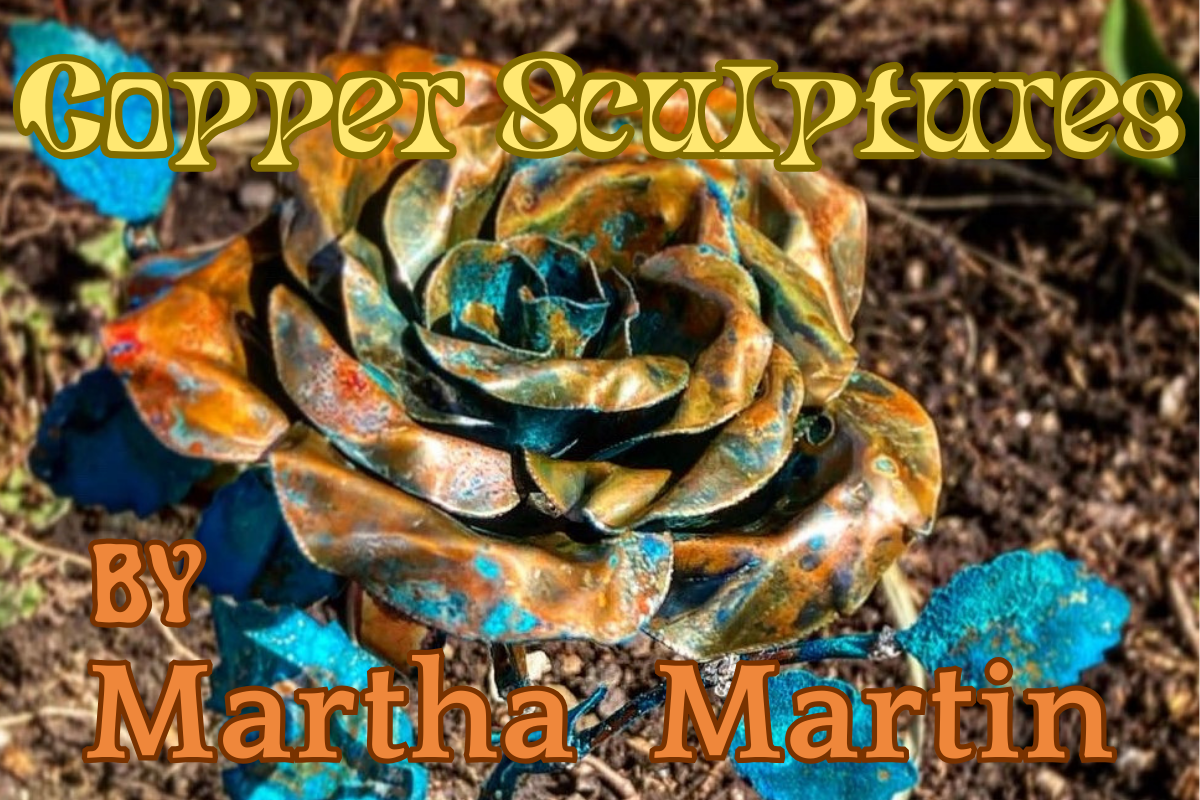
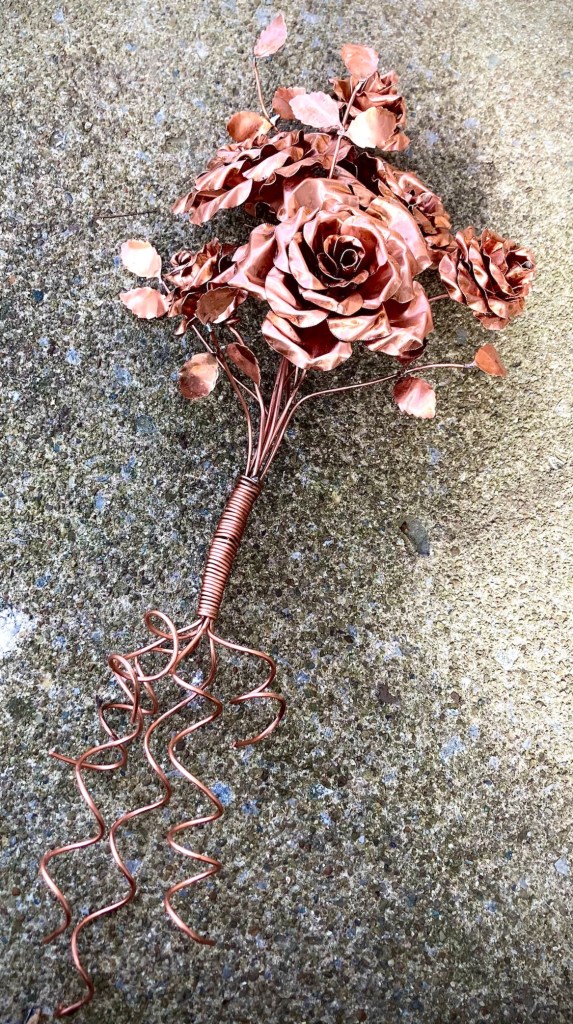
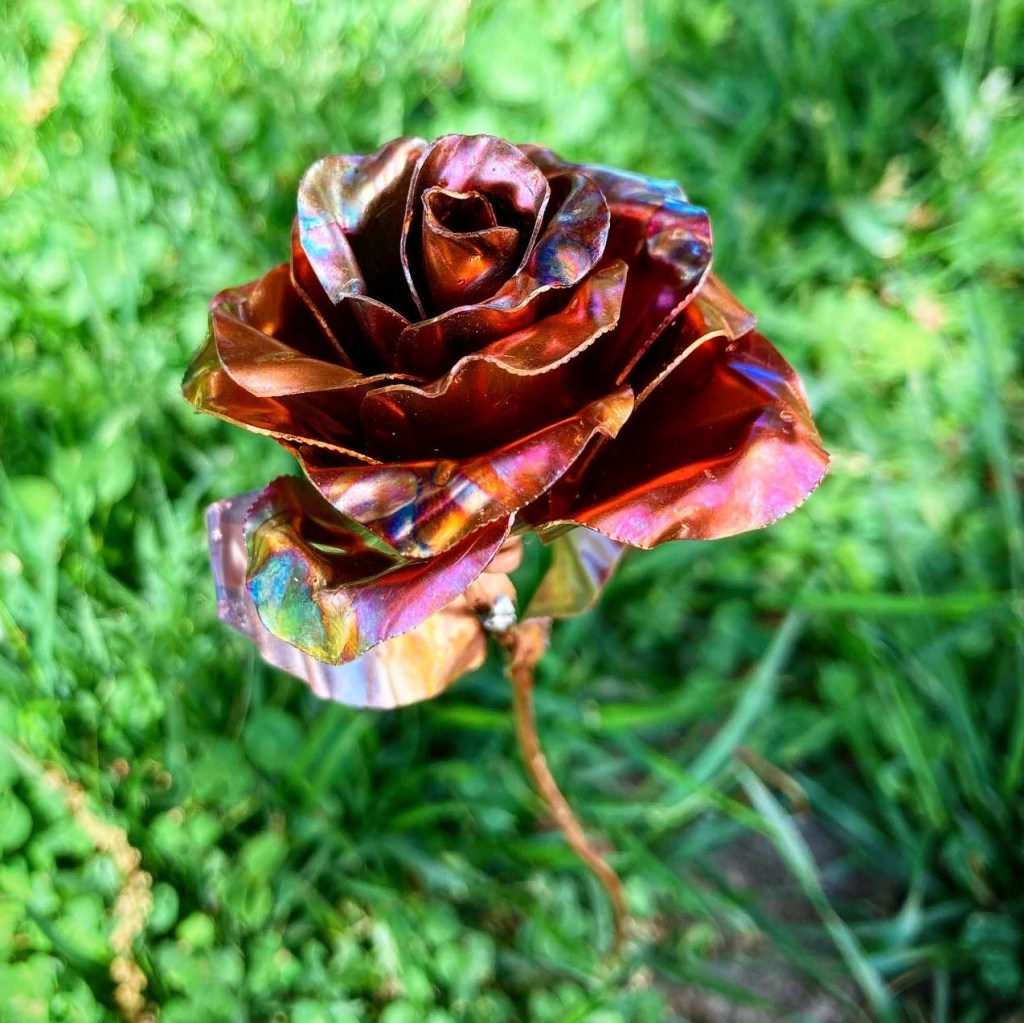
Copper Sculptures


Martha Martin is a mother of three, from Wayne County, Ohio. She is an adjunct welding instructor for Stark State College and a full-time student in the Massage Therapy program. She has a passion for art in many forms, metal being one of them! Martha has spent 10+ years developing her metal craft and sharing her techniques with the many students that come through her classroom.  

Leave a comment

Correcting the U.S. Nursing Shortage

Photo by Sandy Torchon on Pexels

by Emma Large 

We live in a world where little kids fall off bicycles and need to go to ER for stitches, Grandma and Grandpa get dementia and need to stay in a nursing home, and almost everybody needs to go to the doctor’s office for check-ups. Do you know what all these places cannot function without? Nurses. Unfortunately, the U.S. is experiencing a severe shortage of these talented, necessary caregivers. A study done by the American Hospital Association found that 35.8% of hospitals are experiencing at least a 10% vacancy in nursing positions

But what has brought about this shortage of nurses? To start with, many regions of the U.S. are seeing an increasingly older population. These areas require more care, and naturally more nurses, than areas populated by younger generations. An article by Kristen Hamlin from NurseJournal.org  tells us that the average age of a registered nurse is 52. So while we are beginning to need more nurses, at the same time, nurses are getting older and retiring. 

At the same time, the colleges that train younger nurses, who would be taking the place of their retiring colleagues, are experiencing a shortage of nursing instructors. This has led to approximately 91,000 “qualified applicants” being turned away in 2021 alone. The shortage of nursing faculty is largely due to a mass retirement of these instructors. 

Another cause for the nursing shortage is, at least in part, the Covid-19 pandemic. Many nurses were already feeling burnt out, and the extra responsibility accompanying the pandemic led them to quit, change careers or retire. Writing for StatPearls, Lisa M. Haddad, Pavan Annamaraju and Tammy J. Toney-Butler report that violence is another reason for the exodus of healthcare workers, as anywhere from 8% to 38% of healthcare professionals suffer violence at some point in their careers. 

Some studies, such as those cited by Victor F. Caron  of the University of Rhode Island,  have also explained how the shortage relates to poorly trained nurses. In nursing school, students are shown ideals and perfect scenarios, but that does little to prepare them for the real world of nursing. Since this crisis has multiple causes, solving the nursing shortage in the U.S. will require multiple solutions.

Flexible Scheduling

Nurses need greater scheduling flexibility in their jobs. Kathleen Gaines, writing for Nurse.org, found that 87% of nurses say that they feel burnt out, and one reason that nurses are leaving their field is because of “an inability to take breaks, sick days, or even turn down extra shifts.” According to Bill Sirois, senior vice president of Circadian Technologies, for a nurse to go 18 hours without sleep “impairs the cognitive ability of a nurse the same as a blood alcohol level (BAL) of 0.05.” Sirois also explains that if a nurse goes 22 hours without sleep, that nurse’s cognitive function is equal to that of someone with a BAL of 0.08. In the United States, Massachusetts excluded, a BAL of 0.08 while driving is considered illegal. The shorter the shift of a nurse, the better the care provided by that nurse will be. 

It also should also be mentioned that hospitals should be providing flexible scheduling for young mothers. A young mother is more likely to quit her job if she feels she can’t take care of her children because of how consuming her job is and because she is on a very strict schedule. 

Workplace Environment

Nurses also need a restructuring of their workplace and a response to the negative attitudes of their workplaces. Low morale is present in too many workplaces, and this can be solved – mainly through steps taken by management.  Higher satisfaction can be achieved by employing one of the earlier strategies mentioned in this essay: giving nurses scheduling flexibility and reducing overtime. This way, nurses feel less drained and are able to give quality care and thus obtain higher patient satisfaction, improving the workplace atmosphere. 

Caron suggests that facilities could have days with themed scrub tops and sponsor “nurse of the month” events. According to Caron, this will “build employee cohesiveness and develop common goals.” Events like this help nurses to see their workplace as a fun place, thus leading to an increased morale. Increased patient satisfaction will lead to higher morale among nurses, as well. When nurses are satisfied that they are being heard and their needs are being met, then the environment is much more likely to be one of high morale and positive attitudes.

Valuing Nurses

 A recent study shows that 84% of nurses are frustrated with their managers, while 61% of nurses feel unappreciated. Management in facilities can do so much to help solve this issue.    Brenda Nevidjon and Jeanette Ives Erikson, in an article published by The Online Journal of Issues in Nursing, propose that executives in the world of healthcare “must learn new skills for valuing employees.” J. Adderton, a columnist for allnurses.org, believes management needs to promote greater communication. According to Adderton, who has 30 years of experience in clinical leadership, staff development and education, it is important that nurse managers make their best efforts to “set a tone of cooperation and teamwork” and actively stay involved in the nurses’ work. She goes on to explain that nursing managers should be quicker to praise than to offer negative, critical remarks. Nurses need their voices to be heard by managers who will take the time to understand the troubles they face and put forth a good effort to effectively eliminate some of their struggles.

Faculty Retention

Nursing instructors are in high demand. Part of the reason for this is because nursing instructors often spend some time in the field of nursing before they actually start teaching.  Most are at an advanced age by the time they reach the status of instructor. This, combined with the fact that there have been some retirement age mandates, contributes significantly to the  nursing shortage, according to Penelope A Cash, Donna Daines, Rose Marie Doyle and Linda von Tettenborn.

It would be profitable for colleges that want to retain nursing instructors to loosen or eliminate retirement age requirements for nursing instructors. In addition to that, colleges need to raise pay and salary for nursing educators. Marina Zhavoronkova et al. and Caron agree that nursing instructors often feel they are being paid less when compared to their instructing counterparts in other fields. Colleges will need to  loosen retirement mandates and give higher pay and salaries to nursing educators.

Alternative Solution: Legislation  

However, not everyone would fully agree with the solutions proposed here. Many alternative solutions have been proposed aside from those expounded on. One of the most common is that Congress should take the initiative to pass legislation that would help correct the nursing shortage. One such proposed piece of legislation would provide nurses with an associate degree resources like transportation and childcare as they attempt to get their bachelor’s, as well as seeking greater funding for programs approved under Title VIII of the Public Health Service Act. This would, at least in theory, provide greater funding for nursing scholarships and loan repayment. 

Frankly, all these programs and legislations will simply take a lot of taxpayer money from a government that is over $31 trillion in debt. Besides the cost, a one-size-fits-all legislative approach to solving the nursing shortage will not fix the needs of individual facilities. In reality, it would also only be fair to mention that a lot of legislation regulating facilities in an attempt to make it easier for nurses could well be avoided by facilities finding loopholes in the system. However, when we apply adjustable strategies to different facilities, the facilities can tailor the strategies to fit their individual needs.

Conclusion

The nursing shortage is very real, but there are some solutions that can be very effective. It is important for facilities to grant greater scheduling flexibility to nurses, restructure the workplace and the attitudes embedded in it, value nurses and their contribution to our lives more, and employ practical strategies to retain nursing instructors. If medical facilities can apply all four of these solutions together, it will be possible to correct America’s nursing shortage.


References

Adderton, J. (2019, April 2). 5 ways managers can make nurses feel valued. Allnurses. https://allnurses.com/ways-managers-can-make-nurses-t697605/

American Hospital Association. (2022, March 1). AHA letter re: Challenges facing America’s health care workforce as the U.S. enters third year of COVID-19 pandemic. https://www.aha.org/lettercomment/2022-03-01-aha-provides-information-congress-re-challenges-facing-americas-health

Caron, V. F. (2004). The nursing shortage in the United States: What can be done to solve the crisis? (Paper 22) [Seminar Research Paper Series, Schmidt Labor Research Center, University of Rhode Island]. http://digitalcommons.uri.edu/lrc_paper_series/22

Cash, P. A., Daines, D., Doyle, R. M., & von Tettenborn, L. (2009, September/October). Quality workplace environments for nurse educators: Implications for recruitment and retention. Nursing Economic$, 27(5), 315–321. https://pubmed.ncbi.nlm.nih.gov/19927446/

Gaines, K. (2022, October 10). What’s really behind the nursing shortage? 1,500 nurses share their stories. Nurse. https://nurse.org/articles/nursing-shortage-study/

Haddad, L. M., Annamaraju, P., & Toney-Butler, T. J. (2022). Nursing shortage. Department of Health and Human Services, National Center for Biotechnology Information. https://www.ncbi.nlm.nih.gov/books/NBK493175/

Hamlin, K. (2023, March 21). Why is there a nursing shortage? NurseJournal. https://nursejournal.org/articles/why-is-there-a-nursing-shortage/ 

Nevidjon, B. & Erickson, J. (2001, January 31). The nursing shortage: Solutions for the short and long term. Online Journal of Issues in Nursing. 6(1), Manuscript 4. https://ojin.nursingworld.org/table-of-contents/volume-6-2001/number-1-january-2001/nursing-shortage-solutions/

Zhavoronkova, M., Custer, B. D., Neal, A., Al Sadi, A., Pandolfo, T., & Phan, H. (2022, May 23). How to ease the nursing shortage in America. Center for American Progress. https://www.americanprogress.org/article/how-to-ease-the-nursing-shortage-in-america/


Emma Large is a College Credit Plus student at Stark State College who is also entering her junior year of homeschooled high school. She is a member of Beta Gamma Epsilon who enjoys studying history and world civilization. For the last two years of her high school education, she plans to take all college classes. Emma would like to graduate with her high school diploma and an Associates of Arts degree from Stark State in two years.

In her spare time, Emma loves playing the piano and violin, having long chats with her friends on the phone, and crocheting baby girl clothing and other items. Reading books, mainly those about history, fills some of her spare time. Emma loves traveling, especially the Southeast. The Florida Keys, Savannah, Georgia, and Williamsburg, Virginia are some of her favorite places to visit. Making new friends at college is fun for Emma, too, and of course, she loves spending time with her cat.

Social Media Portrays False Body Standards

Photo by Abiodun Ageh on Unsplash

by Isabella Billingsley

When I was around 13 years old, my mom told me that when she was growing up, she dealt with an eating disorder as a result of body dysmorphic disorder. Her body became emaciated, but she saw herself as a whale. At age 18, she had a miscarriage from being too skinny, and it got to the point where her psychologist laid her down on cardboard and traced her body so she could see it from another perspective. This was my first time being exposed to information on body dysmorphia, an obsessive focus on appearance and perceived flaws. Since then, I’ve seen YouTubers suffer from anorexia, and I’ve watched friends change what they eat and obsess over going to the gym because of what they have consumed on TikTok. Even though I have known from a young age about the dangers of body dysmorphia, I have found myself drawn to the ugly side of beauty on social media.

In my teens, I stumbled across a YouTuber, Eugenia Cooney. I liked her for her style, but there was a lot of discussion on the unhealthy way her body looked in the comments on her videos. Other comments, however, glorified her extreme thinness. Hoffmann et al., writing for Diggit Magazine, discuss Cooney’s role in YouTube’s history and her influence on a young audience. The article goes in-depth on her as an example of an eating-disordered influencer who received treatment, but came back looking the same and was accused of irresponsible content. Even though Cooney took a step away from social media, Hoffman et al. discuss how she still came back playing into anorexia fetishes. While I was aware of her poor health, her videos appealed to me along with other young people. When I was exposed to Cooney at this young age, I already had a perspective on how she looked because of my background knowledge on body dysmorphia, but other young women might have been influenced by the body ideal she promoted.

Another influencer I’ve more recently discovered while scrolling on TikTok is Mikayla Nogueira. She made a video of herself crying and saying it was the worst day of her life because she had to go try on wedding dresses, and her anxiety caused her not to feel comfortable in her own skin. While I appreciated and related to that vulnerability, the video still fell short on showing the full perspective of body dysmorphia. Mikayla went on to describe how her family and friends would be there to support her during the process of buying a dress so she could push her insecurities to the side, but this still didn’t show her followers the psychological condition of an eating disorder. In the comments, others were rude and dismissive of her experience, claiming she had no valid reason to be insecure. While I know influencers can be irresponsible with their power, the comments show an array of opinions that include attacks on the influencer and other users, adding to the unhealthy environment of the app.

I spend most of my free time sitting in a hunched position, scrolling through TikTok. I downloaded the app during the pandemic in search of book-related content, but I also had a curiosity for some of the makeup videos. The more I watched and liked the videos, the more recommendations I got for similar types of content. My “FYP” (or “For You Page”) was filled with beauty influencers. For a while, I thought it was exciting that a lot of people wanted to do their makeup in an “alternative” style similar to me. I soon saw influencers every day promoting makeup and beauty standards. This area of beauty content on online magazines and social media can be motivating to some people, but for those like me with a vulnerable headspace, it can become a toxic algorithm that reinforces self-criticism. 

Mary Grlic, writing for Voices of Gen-Z, points out that many people turned to TikTok during quarantine as a convenient way to express themselves. This same article discusses the term “thinspo,” used as a label on lots of harmful beauty content; an example of “thinspo” Grlic provides is “What I Eat in a Day” videos, “where creators share what they eat throughout the day. Many of these videos are flawed with dangerous habits like calorie counting, intermittent fasting, restrictive eating, unhealthy trends, and unsustainable diets.” A friend of mine started sending me these videos after we decided on a gym membership, and I got flooded with recommendations for workout routines and diet tips. I saw where it was tipping off into an unhealthy fixation, but my friend didn’t have that perspective.

I’ve always seen a lack of representation of realistic-looking people in modeling and advertisements on TV. However, TikTok influencers present themselves as regular people without makeup at the beginning of some videos. I have noticed while watching a lot of makeup tutorials that the influencers already have a beauty filter on before applying their makeup. Seeing these videos, I started to question my appearance. I wondered why my skin didn’t look that good without makeup and wondered what I could use. To achieve certain looks on TikTok, people will also add filters and wear clothing that might make their butt look bigger and waist shrink, but they never specify, “fake body.” This has created a huge gap between what somebody actually looks like versus what they think they should or could look like, and it triggered obsessive thoughts for me. My feed was full of people looking “perfect,” and this felt like just a constant reminder of my own flaws.

I realized I was being exposed to this tunnel-vision mindset, and it was negatively shaping my concept of beauty. The online algorithm was increasingly trapping me in a cycle of these filtered videos. They snuck up on me, even though I knew about the danger. I decided that the only way to break the cycle was to change the pathway. I started to focus on more book-related content on TikTok. One book influencer, named Eve, plays classical music in the background as she talks about her favorite books while doing light makeup with no filters; watching this is an anxiety release for me. To turn the tides of negativity, I have to change up what I search for when I open the app. I now do this on purpose because, whenever a contoured smoky shadow technique catches my eye and my thumb goes to the screen, I am in danger of a self-critical spiral. 


References 

Grlic, M. (2021, September). TikTok’s influence on body image. Voices of Gen-Z. https://www.google.com/url?q=https://www.voicesofgenz.com/post-1/tiktok-s-influence-
on-body-image&sa=D&source=docs&ust=1676934801448099&usg=AOvVaw09mrLW
BsMPj0TvKrg5PvH6

Hoffman, L., Jidoveanu, I., Schuitemaker, J., Cnobloch, R., & Clinciu, D. (2021, August). Eugenia Cooney: YouTube’s representative of disordered eating. Diggit Magazine. https://www.diggitmagazine.com/papers/eugenia-cooney-youtube 


Bella Billingsley is a Stark State student. She is majoring in surgical technician with her passion for the medical field. Bella likes to read horror/sci fi books in her free time. When she can she also likes to go to concerts even though she’s an introvert.

Celiac Disease: A Rare Disorder on the Rise

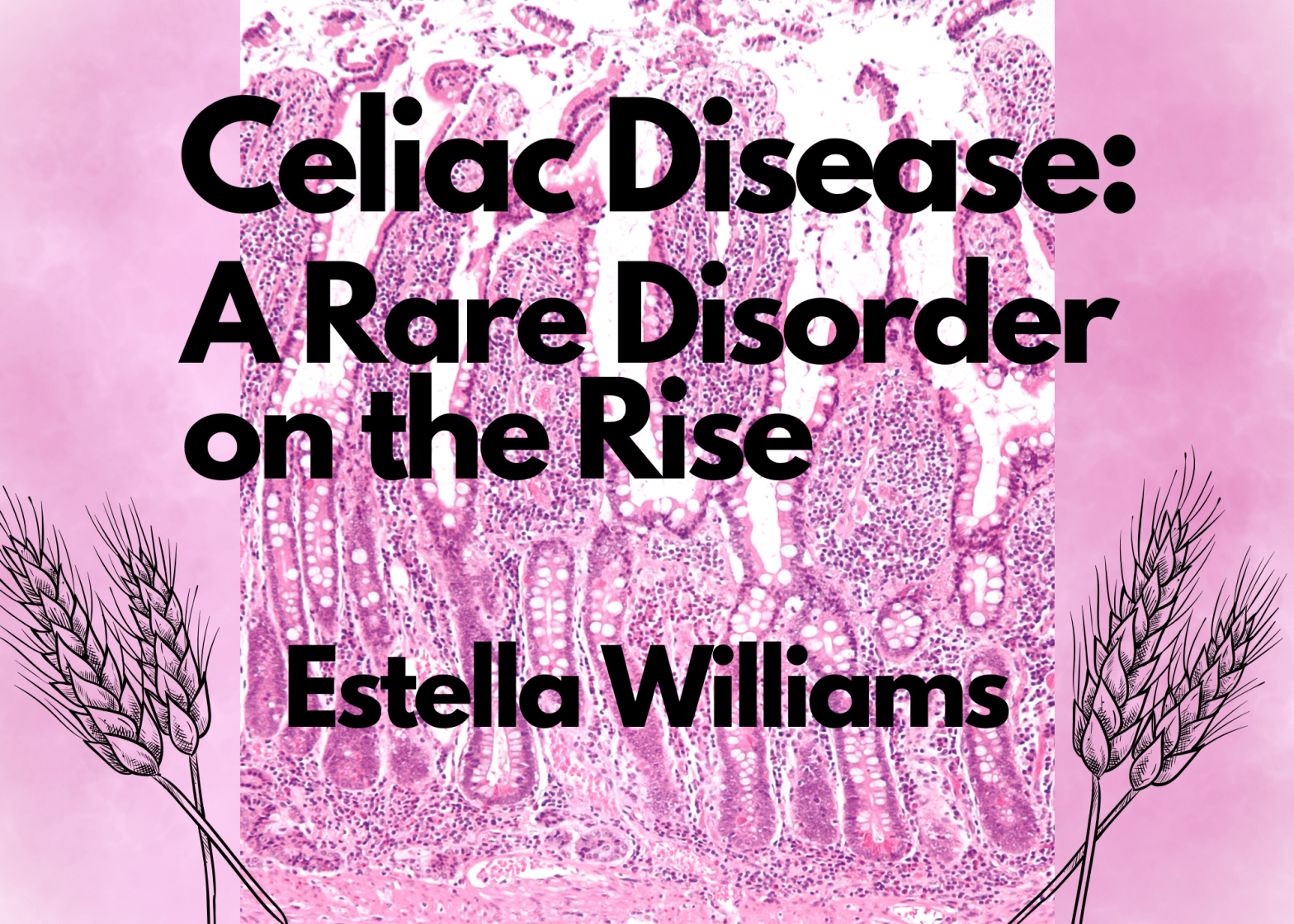
Low magnification micrograph of small intestinal mucosa copyright © 2011 Michael Bonert.

by Estella Williams

Prior to five months ago, I had only heard the term “celiac disease” a few times in my life. I never knew anyone who was diagnosed with it, nor did I realize the severity of the condition. I thought celiac disease was nothing more than a gluten allergy, and the only real “inconvenience” of the disease was the need to give up gluten-containing foods such as pizza, pastries, and pasta. On the rare occasions when I overheard someone claiming to have celiac disease, I often assumed they were just “health nuts” who wanted other people to take their self-inflicted gluten-free diet seriously. Little did I know that after three years of feeling increasingly miserable due to heartburn, feelings of excessive fullness, unexplained stomach pain, nausea, and a variety of other symptoms, I would be diagnosed with celiac disease. 

Celiac disease is not as rare as I once believed it to be. On the contrary, at least 1% of the population has a celiac disease diagnosis, and the diagnosis is becoming increasingly common on a year-to-year basis. According to Dr. Jonas Ludvigsson et al., an estimated 30-40% of the worldwide population has a genetic predisposition for celiac disease. The alarming exponential increase in diagnoses each year, combined with the long-term health complications caused by the disease, make this hidden epidemic a concern for everyone.

Celiac disease is an autoimmune disease in which the immune system creates anti-tissue transglutaminase antibodies to attack particles of gluten – a protein found in wheat, barley, and rye –  which it identifies as a foreign invader. While this is often painful and can create distressing symptoms, the most concerning aspect of celiac disease is the irreparable damage being done to the digestive tract and the slew of medical complications that often result. These transglutaminase antibodies ultimately damage the villi – the finger-like projections lining the bowel that absorb vitamins and nutrients – leading to a variety of health concerns, including malabsorption/malnutrition, digestive tract cancers, and infertility, among many others. 

There is currently no cure or medical treatment for celiac disease other than strict adherence to a gluten-free lifestyle to minimize damage to the body caused by gluten. Even when consuming gluten-free foods, celiac patients must be especially careful to avoid consuming trace amounts of gluten resulting from cross-contact and contamination by shared utensils, equipment, and handling. Celiac disease damages the small intestines when the body creates anti-tissue antibodies to attack particles of gluten. Villous atrophy – or damage to the villi – occurs in celiac patients who eat as little as 10 mg of gluten in a 24-hour period, which is equivalent to the amount of wheat flour that would fit on the tip of a pen, or just one crumb of gluten-containing bread. Therefore, to be permitted by the FDA to use the words “gluten free” on the label, foods must contain less than 20 parts per million of gluten (0.002%), which is the highest percentage considered to be safe for celiac patients.

Currently, there are approximately three million people known to have celiac disease in the U.S., and that number is growing daily. According to Dr. Jonas Ludvigsson et al., “the previously described increase in [celiac disease] incidence (0.9 per 100,000 [person-years] in the 1960s, rising to 3.3 per 100,000 [person-years] in the 1990s) has not abated.” Additionally, Ludvigsson et al. report that the incidence of celiac disease has increased from 11.1 per 100,000 person-years in 2000-2001 to 17.3 per 100,000 person-years in 2008-2010. Increasing awareness and improved diagnostic tools are certainly contributing factors to the rising number of diagnoses. According to Dr. Peter Green and Rory Jones in their book Celiac Disease: A Hidden Epidemic: “Until recently, doctors perceived celiac disease as rare. Part of this is self-fulfilling: If doctors think something is rare, they will not go looking for it. Therefore, they will not find it, and so it remains ‘rare.’ If a condition is considered common, doctors will routinely test for it.” Since celiac disease is no longer considered to be “rare,” doctors are increasingly more likely to test for it, and, therefore, more people are being diagnosed with a disease that was once not even considered as a possible problem. 

Furthermore, a simple blood test can now test for tissue transglutaminase IgA antibodies (tTg-IgA). Individuals with elevated levels of tTg-IgA must then confirm a celiac diagnosis through an endoscopy and tissue biopsy in which cells from the small intestines are studied under a microscope to verify the markers of celiac disease. In her article regarding the diagnosis of celiac disease in the West, Amy Ratner writes, “the development of more accurate and cost-effective blood tests for celiac disease in the 1990s is one reason incidence is increasing.” Ratner also cites that the diagnosis of celiac disease is increasing because more patients – some that do not have classic symptoms of celiac disease and/or seem healthy – are being screened, especially when they are considered to be at-risk. While more frequent testing and easier, more cost-effective diagnostics are part of the explanation for the increase in celiac disease diagnoses, other factors also contribute to the ever-increasing prevalence of celiac disease worldwide. 

While a large factor of who develops celiac disease is genetic, there are other factors that can trigger  or “turn on” the gene, causing the onset of celiac disease. An informative article regarding celiac disease in Australia states that, “While 50% of the population carry one or both of these genes, only 1 in 40 of these people (approximately) will get coeliac disease.” Many researchers have questioned what contributing factor – whether it is genetics alone or environmental factors – leads to the onset of this disease. Ludvigsson et al. state:

The rise of [celiac disease] cannot be explained by a change in the underlying genetic makeup of the community. Instead, an environmental factor(s) is likely. Gluten-enriched foods (e.g., pizza, bagels, and high-protein and high-fiber bread) are increasingly ingested in the United States. 

Ratner lists these factors that may trigger celiac disease: “High levels of gluten fed to infants, use of antibiotics in a child’s first year, early childhood infections, and less exposure to microbes early in life resulting in overactive immune responses late in life.” Stress and deteriorating gut health caused by disease and/or medications are additional factors that can contribute to the development of celiac disease. Ludvigsson et al. wrote that they have found “an association between infectious disease (especially gastroenteritis) and [celiac disease],” as well as a trend regarding the “amount, timing, and frequency of gluten consumption.” Furthermore, they cite Ivarsson et al. that “high amounts of gluten increased the risk of [celiac disease],” meaning that anyone who has genes for celiac disease (which is estimated to be 25-50% of the population) is at risk of developing celiac disease if triggered by environmental factors.

 Overall, the increasing prevalence of celiac disease indicates that this autoimmune disorder is not solely an issue of genetics but rather one that can affect a significant portion of our population simply by triggering the onset of the disease in people who have the gene. Ongoing research continues to search for answers about exactly what is causing more people to develop the disease and how those “triggers” are becoming more common in our everyday lives.

 When someone is diagnosed with celiac disease, it is important to follow a strict gluten-free diet in an attempt to reduce the damage done to the digestive tract and the risk of contracting another autoimmune disease; but how does someone know to follow a gluten-free diet if they haven’t  been diagnosed with celiac disease? Undiagnosed celiac disease is particularly dangerous because a person is eating gluten daily and, therefore, causing extensive damage to their digestive system, which can lead to a wide range of health concerns. 

In an experiment conducted regarding the mortality of patients with celiac disease, researchers found that celiac disease “seems to be associated with a doubling of mortality and substantial morbidity compared with that in the general population,” and furthermore, patients with undiagnosed celiac are four times as likely to die when compared to non-celiac individuals. This study researched the increasing prevalence of celiac disease by evaluating three cohorts spanning from 1948 to recent years and found that undiagnosed celiac disease is 4 to 4.5 times more common in the most recent cohort. According to Ludvigsson et al., men are more likely to live with undiagnosed celiac disease than women, meaning that men are at an increased risk for medical complications and/or early death caused by the disease. 

Since my diagnosis, I am far more educated about the facts and research regarding this autoimmune disease. While some may consider celiac disease to be rare because only approximately 1% of the population has been diagnosed, the reality is that a large portion of the population is genetically predisposed. Additionally, the triggers that cause the onset of this disease are becoming more common in our everyday lives, resulting in an increased number of people affected by celiac disease who are at-risk for health conditions. More and more people are at an increased risk for damage to the digestive tract, medical conditions and complications associated with celiac disease, and even early death. The alarming rate at which celiac disease diagnoses are increasing indicates that systemic issues within our food supply chain, destructive habits within our diets, and other factors such as widespread deteriorating gut health are likely contributing factors that are triggering an ever-increasing prevalence of this autoimmune disorder, making it a hidden epidemic. 

References

Coeliac disease. (n.d.). Coeliac Australia. https://www.coeliac.org.au/s/coeliac-disease

Coeliac Australia. (n.d.). Conditions associated with coeliac disease. https://www.coeliac.org.au/s/article/Associated-Conditions-CD 

FDA. (2021, January 11). ‘Gluten-free’ now means what it says. U.S. Food and Drug Administration. https://www.fda.gov/consumers/consumer-updates/gluten-free-means-what-it-says#:~:text=As%20one%20of%20the%20criteria,using%20valid%20scientific%20analytical%20tools. 

Green, P. & Jones, R. (2020). Celiac disease: A hidden epidemic (4th ed.). William Marrow.

Ludvigsson, J., Rubio-Tapia, A., Van Dyke, C., Melton , L., Zinsmeister, A., Lahr, B., & Murray, J. (2013, May 19). Increasing incidence of celiac disease in a North American population. American Journal of Gastroenterology, 108(5), 818-824. https://doi.org/10.1038/ajg.2013.60

Ratner, A. (2020, February 21). Diagnosis of celiac disease increasing in Western world. Beyond Celiac. https://www.beyondceliac.org/research-news/diagnosis-increasing/#:~:text=The%20 prevalence%20of%20celiac%20disease,not%20measure%20prevalence%2C%20Lebwohl%20said 

Rubio-Tapia, A., Kyle, R., Kaplan, E., Johnson, D., Page, W., Edrtmann, F., Bratner, T., Kim, W., Phelps, T., Lahr, B., Zinsmeister, A., Melton, L., & Murray, J. (2009, April 13). Increased prevalence and mortality in undiagnosed celiac disease. American Journal of Gastroenterology, 137(1), 88-93. https://doi.org/10.1053/j.gastro.2009.03.059

The Solo Valentine (ft. Rick Ross)

Photo by Nick Fewings on Unsplash

by Shania Driggs

LOVE SUCKS

Sitting in my bedroom, I scroll through Instagram and see girls posting photos and videos of their man with bouquets of roses; they are in a nice hotel room with that song every lover girl plays, “Hrs & Hrs” by Muni Long, in the background. I mumble to myself, “Must be nice.”

It was three weeks before the much-anticipated holiday, usually for couples, known as Valentine’s Day. For the singles like me, this was just another day for us to be aware that we are single and feel like a third wheel, or just act unbothered while everyone is getting cute teddy bears and boxes of chocolates with a nice card. In the past, every Valentine’s Day either I had a guy or I’d go out with my homegirls, but this particular year was different. Even my friends had a valentine, so that really meant that I was going to be alone.

I had been single for the second year in a row. I always had someone who at least wanted to take me out, but even that didn’t feel right for me this year. I was at a point in my life where having a man’s company was starting to become an annoyance because men seem to always give the bare minimum, and I didn’t want that either. I wanted to have what the other girls’ experiences were. I was accepting that I had no plans and I was going to be alone this year for Valentine’s Day. 

NOT ANOTHER LOVE SONG

As the weeks counted down, seeing couples celebrate Valentine’s Day early and hearing my friends plan what their man was going to do for them, I started to feel sad. I felt left out because everyone had someone and I didn’t, and it made me feel like a loner. I kept telling myself, “I’ll just wait ’til I have somebody that will do nice things for me,” not even thinking I would be able to do those same nice things for myself. 

I took my frustrations about Valentine’s Day and talked about them with my therapist. I met with her every month, and we discussed anything I had on my mind or upcoming events. I told her that I did not want to sit at home and be sad like others. I wanted to go do something, but I also was not confident to go out by myself. I was scared and had so much anxiety. I always went places with people; I never had thought to go anywhere alone.

My therapist told me, “Shania, you work hard and you deserve to treat yourself. If you really want to go do something by yourself for Valentine’s Day, do so. Never wait for a man to do anything for you that you’d want to do on your own. And also, Valentine’s Day is not just for couples; it’s to express and show love to anyone, including self-love.”  

RIDIN’ SOLO NIGHT OUT

The session with my therapist had me going back and forth with the thought of taking myself out for Valentine’s Day. Days later after debating, I decided to plan myself a Valentine’s weekend staycation. I told my friends about my upcoming plan, and some were supportive. Others said things like, “Girl, you’re bold. You’re really gonna go out and be in a room alone? That’s crazy.” I didn’t care, and I continued with my plans. I booked an Airbnb in Cleveland, Ohio just one week before Valentine’s Day, and ironically, it was All-Star Weekend in Cleveland also. As scared as I was, I went through with my plans and had so much fun. Not only did I treat myself to a nice room, but I enjoyed sitting around in a silk robe with a glass of wine and took amazing pictures. 

As the day went on after I checked in, I put on something really cute and decided to go to Bonefish for dinner. I sat in my car filled with anxiety, thinking about turning around. I braced myself and went in. With my palms sweaty, I stuttered asking for a table for one, and the hostess led me to a booth. Dinner went lovely. The waitress made me feel comfortable knowing that I was alone, and before getting my check she told me, “A nice man over by the bar paid for the Martini on your bill; lucky you!” I was shocked but also pleased with that nice gesture, and it made me even more confident throughout the night. 

The night was still young, and I decided to go out to the clubs downtown. Since it was All-Star Weekend, a lot of places were buzzing with celebrities and ball players. I found a really cool club and paid the ticket to get in, and to make it even better, Rick Ross was there and he’s one of my favorite artists. After a few drinks and vibing to songs and meeting new faces at the bar, I returned to the Airbnb and reflected on my night. To experience a solo night like this, knowing how doubtful I’d been about having the courage to go, was the best feeling ever. It made me so confident to be okay with being single and not care what others may think. I learned a valuable lesson: that I can always have fun spending quality time with myself and also be brave enough to do things on my own. 


Shania Driggs is currently studying Respiratory Therapy at the Akron Campus of Stark State College. Shania is 23 years old and aspires to be an inspiration to all women to express Self Love. She quotes that “self love is the best love” and that was the theme for her story about “The Solo Valentine”. Shania is an advocate for Single women and their healing journey; she also ministers to individuals about self love and enjoying those moments of solitude. “I hope everyone that reads my story gets inspired in doing what’s best for you, treating yourself and doing the unordinary for the best experiences in life!”

The Mug

Photo by Simon Daoudi on Unsplash

by Chandler Jernigan

There is nothing in this world that has the astonishing ability to be a beacon of hope in the darkness of night than the bright yellow and black sign that one sees in a drunken haze. One of those nights I stumbled into the infamous Waffle House like I had so many times before. The perfect mixture of the sweet smell of waffle batter, the salty air of bacon grease and sticky tables just made me feel at home. There, I found something I did not expect myself to become so attached to: a Waffle House coffee mug.

I marched into the diner towards my usual spot. I was disappointed to see other people sitting there. I found another booth, but the unfamiliar seat creaked and dug into the small of my back. I waited a long while for the server to take my order. I could have made my presence more known or called the lady over; however, I had this mug in my hand, and I was surprisingly okay with just that. I had nothing to do but stare at this beautiful mug. Perfect in its hourglass design, knowing full well that it makes a smaller cup of coffee, I saw it as a means to keep itself full of hot coffee. My stomach growled and my back ached, which fueled the fire of my anger, and the only comfort I enjoyed was this mug in my hands. During the long wait, I plotted a devious plan. This mug was coming home with me.

After paying, I decided it was time for my new companion and I to leave and go home. I grabbed the cup and put it in my jacket, then walked out the door. Not used to this type of behavior, I felt the rush of breaking the rules, like a real criminal. My hands trembled as I began to get in my car. I expected fire and brimstone to begin falling from the sky or lightning to strike me for my sins against the world. I felt empowered by this impulsive act at the Waffle House, unlike any other experience I had there. Once I arrived home, I cleaned the mug and placed it alongside my perfectly matched set of generic mugs.

I used my proudly stolen Waffle House mug as much as I possibly could. I took it with me to work in the morning, and I carried it around with me everywhere I went as I toiled through my daily tasks at my low-level insurance job. I had no intention of releasing the secret of how I came about owning such a laughable mug, no matter how much anyone decided to question me about it. Everything about this mug was great to me. Even its use was complementary to my daily life. I never needed any other mug, and I grasped this mug like I would never drink out of another cup again. I felt strong and confident holding this mug because it showed that I was still just a kid – impulsive, stupid and, more importantly, not a boring adult with responsibility and perfectly upright morals.

All of the sudden, I had a child, then another one, and then a foster son. Through each newborn phase, I could not keep my eyes open or have a modicum of coherency to my words due to each baby waking up all hours of the night. The solution came to me as an old friend: a warm, inviting and exhilarating coffee mug. I needed coffee more than any other time in my life, when I had lied to myself about its necessity in the past. So naturally, I creaked open the cabinet and saw my prize once again: a beautiful, out-of-place Waffle House mug; a blast from the past; a reminder of my freedom and aloofness to the world around me. It reminded me of the life I had before children and how no matter how much I love and cherish all my sons, I also loved and missed parts of my life that I had taken for granted in the past. 

One morning, after finally getting enough sleep, I opened my cabinet once again and saw my stolen coffee mug. This time was different. I saw it in a light that made me question my reality as a parent. I was faced with two wrongs that do not make a right. I either tell my children about how I stole this mug and I’m proud of it, or I lie to them and possibly break their trust in the future. This mug was pulling me in so many directions that I had no idea where to go. This mug was becoming a dark shadow of my past, and I could never share my love for this mug with my children. I stared at the mug for what seemed like an eternity, picking and choosing in my mind what I would do about this mug that I had loved and cherished for such a long time. I grabbed a mug that had not been used in a very long time instead. A plain, normal, boring blue mug that I bought at a store.

I think back to how I had taken the mug and how there was no harm done at the moment. I made a ripple into this present moment where I now had to put it away. I went from having so much pride and closeness with the mug to feeling guilt and shame for having it out around my kids. I opened a trunk of trinkets and keepsakes that I have collected over the years and placed one of my most prized possessions into it, the stolen Waffle House mug.

Fear Will not Control Me

Photo by nasim dadfar on Unsplash

by Jonathon Stevenson 

2019 Stark State College Composition Essay Contest Winner

I was standing at the part of the gate that had been cut a few hours earlier. As I looked out in front of me, I had time to realize a few things about myself. I thought back to some of my fears: talking in front of a group, letting a girl I liked know, even my first roller coaster. I see now that none of those things were scary, at least not in the way I thought. This was scary. Being here, holding this rifle, wearing this body armor, being thousands of miles from everyone I loved. This is what I should have feared, and believe me, I was afraid. 

I had been deployed for about five months at this point. When a soldier is deployed it can be quite a different experience depending on where that soldier is. There are three main places I could have ended up depending on my job title and branch of service: an Airfield Base, a COP (Central Operating Post), or an FOB (Forward Operating Base). I was stationed at FOB Salerno in Afghanistan. This was one of the better places to be stationed from what I was told.

It wasn’t a bad place to look at for the most part. It was quite pretty, mostly desert but still nice to look at. In basic training, I was told what may happen on deployment. One day you may be there, either in Iraq or Afghanistan. I was taught and trained on what I would need to do in those situations, whether it be handling an attack or just how to treat the experience. The training is very good, but it didn’t really prepare me for the truth of what I would be feeling or thinking when I was there. 

I was working night shift. I started at 8:00 PM and went to 8:00 AM. This was considered the easy shift because not much happens during the night. I was working in an office where we kept track of who was coming and going for patrols on the base and the surrounding COP’s. When a soldier is deployed, they always need to be on alert, but I will not lie when I say it is easy to get complacent over there. About 90 percent of the time I was just kind of going through the motions. A unit goes out for a patrol, I log it, that unit talks to some villagers about some possible enemies, I log it, that unit comes back from patrol, I log it. This night was even quieter. There had been rumors of a possible attack on FOB Salerno, but we didn’t really think too much of it because there were rumors of an attack every day. On occasion we would get some IDF (Indirect Fire), where the enemy fired a mortar at us, but with no aim on it, so it usually didn’t even hit anything. 

It was about four in the morning, and I was reading a book that had been sent to me in a care package when I started to hear it. I stopped reading and listened. It sounded like booms from some IDF being fired way off in the distance. I only heard the one, so I logged it and checked with the other guys on duty with me. We had a camera on this FOB that did 360° surveillance of the FOB and the surrounding area. One of the guys could control it, and we had him do a sweep. We didn’t see anything, so there was nothing more we could do. 

I went back to reading my book. Not even two minutes later, I heard another boom in the distance. This time everyone looked at the screen as the sweep was made, and we saw something. Normally the IDF comes from the mountains, but that is not where we were looking now. Near the airfield, a long fence meant to keep people out of the FOB was being messed with. About 20 people were slowing cutting the fence chains. 

Everyone in the room was looking at the screen. We realized that this was really happening. Our Battle Captain got on the phone and started alerting people as to what was going on. About 10 minutes later, the QRF (Quick Reaction Force) team was heading out to the location. As we tried to radio them, we realized the fence was completely cut open now, and people were starting to move onto the airfield. 

The one thing any of us who were deployed knew is we must have communication with everyone when they go anywhere. Not having communication can be the difference between life and death. As we tried to radio the QRF, it became very clear that the communication was not working. As we watched the raid camera, we could see only about 10 people pushed onto the airfield; the rest were hanging back behind some trees. Our QRF team had gone outside the gate to secure the hole, but because we couldn’t talk to them, they had no idea they were heading for an ambush. 

At this point I was starting to get scared. Our building was the only one with the camera. We were the eyes for the whole FOB. If we didn’t have communication with even one person, the whole base was in trouble. The QRF moved closer to the cut in the fence as we desperately tried to get radio comms with them. It was at this point I noticed one of the people hiding in the trees come out, and it looked like he was holding something. 

“RPG!” I yelled. 

Everyone looked up as the rocket was fired at the vehicle. It hit directly on the front side of the vehicle. Everyone looked white in the face around me. We had no way to know if anyone was okay. Could they all be dead? Just then we saw the back doors open and two soldiers get out. They started to fire at the enemy behind the trees. Two of them for sure had survived. 

At this point, around 6:00 AM, we had gotten ahold of the Special Forces Unit on the base. They had snipers position themselves on roofs of the buildings in the FOB and started to take out the ones who had entered the airfield. We found out that everyone in the QRF vehicle was alive. They had taken out the enemy behind the trees as well. They were following a tip as to where the enemy had come from. Now they needed a few soldiers out watching the gate until it could be patched up. Myself and two others were selected to go out. 

As I was getting my gear together as quick as I could, I felt my heart pounding through my chest. All the training I had received up to this point had to be enough. As they drove us out to the fence, I realized the ranks of the other two soldiers with me, PVT (Private) and PFC (Private First Class). I was a SPC (Specialist), which meant I was in charge. 

Wait a minute, I thought. I had never been in charge before. I noticed how scared they looked, maybe even more scared than me. I leaned over to them and said, “Don’t worry guys, just remember your training and keep your eyes up.” They both nodded. 

As we pulled up to the hole in the fence, I did a quick radio check with everyone just to make sure I had communication with everyone back at the office. Checks were good, so we got out and positioned ourselves just outside the gate hole. The plan was that we would be here for about an hour as another unit did a sweep outside the fence to make sure we were clear to patch up the gate safely. 

It had been about thirty minutes, and things had been very quiet. Every ten minutes I had been conducting a radio check to make sure things still looked clear from a distance. At about 40 minutes I heard on the radio that three men were approaching us from behind the trees, directly in front of us. As we looked, we saw the three guys emerge from the trees. They had their arms up as they walked towards us. As I looked at them my heart sank; all three of them had vests on with wires across them, suicide vests. 

“Stop!” I yelled at them, putting my hand up to indicate what I meant. 

They did not stop but kept walking towards us. It was at this moment I realized that they weren’t going to stop. Their intent was to get as close to us as possible and detonate their vests. Doing that would not only kill me, but also the two soldiers with me. It would probably cause a bigger hole to be formed in the fence, which would allow more access to the FOB and put the lives of every soldier on the base in danger. 

I called out one last time, “Stop moving, or we will fire!” 

As soon as the last word left my mouth, at about 15 meters away, the three guys started to charge at us. There were three shots fired: One from each of the three rifles pointed at them.

Each round found its target, and in front of us three bodies lay on the ground. 

After writing up my report on what happened at the gate, I realized the gravity of what I had to do. I thought back to some of the things that scared me in the past. Those things were not scary to me anymore. What I had just gone through was scary. Having to make the decision I had to make was scary. I then realized I had been holding myself back in life. I didn’t want to live life afraid anymore.

I think about that day often. That was the day I truly believe I lost a part of myself. At the same time, though, I know I gained a new understanding about who I am. In this life we are going to have fears, and those fears may very well control how we interact with the rest of the world. I learned that day fear is an emotion that we very much need. It keeps us out of harm’s way, but it also keeps us from living our lives. I don’t let fear control me anymore. 


Jonathon Stevenson is an eight-year Army veteran who is currently earning an Associate Degree in Human and Social Services. He plans to continue his education and eventually become a licensed social worker. He wrote this essay to share his personal experience that “really opened my eyes and shaped me.” 

Turn and Face the Strange…

Photo by Ezekiel Elin on Unsplash

by Emily Baumgardner

2019 Stark State College Composition Essay Contest Winner

I saw David Bowie for the first time in Labyrinth, a 1986 Jim Henson film that he starred in, and his entrance was nothing short of fantastical. An owl bursts through the opening doors out of a storm, and the wind is blowing the curtains around wildly, and finally, the owl shifts his shape. Bowie stands in all his glory, hands on his hips in strong defiance, glitter raining everywhere. I was four years old. That wasn’t the end for me. Instead, it began an obsession of finding everything about this rock star I could get my hands on and devouring it. With the androgynous clothing, makeup, and long hair, it didn’t take long for the general public to wonder what exactly drove Bowie to express himself the ways he did on stage and screen. It resonated with me in ways that are hard to describe, but I’m going to try.

Growing up in a predominantly Christian, affluent, and conservative place like Green, Ohio, there was hardly any room for LGBT+ people. It wasn’t that the adults said mean things about queer people; they just never said anything at all. Being gay, lesbian, or bisexual wasn’t discussed because it was improper. Certainly, being transgender was even more so haphazardly shoved under the rug. So, when I finally figured out that these feelings I’d been having for my best friend and other girls at school weren’t just platonic, I was shaken to my core. Being bisexual wasn’t what I wanted for myself. I’ll be honest about that. If anybody ever genuinely stopped to think about what LGBT+ people go through in the duration of their lives while they’re “out of the closet,” I don’t think that they could come to the conclusion that sexuality is a choice.

I was 14 when I came out to my mother. I remember shaking in my seat, clutching the edges to feel a semblance of security. There were seconds of silence, their own tiny infinities, and then finally, an atom splitting that created lasting nuclear damage. My mother, still ignorant to anything outside of heterosexuality, turned into every fear I’d had about myself. She screamed about an incessant need for attention, that I wasn’t really who I said I was, and that these feelings were just exacerbated admiration gone off the rails. I cried for hours. I went to sleep that night feeling as if everything in the universe was cursing me, daring me to try and love myself.

And after that, I began a scavenger hunt of a separate kind: finding other people like me. I wanted – no, needed – to prove that I wasn’t some freak anomaly or just making something up for the attention. And lo and behold, who should I find but Bowie, my childhood hero. I was scrolling through an article about bisexual celebrities, absentmindedly sifting through the photos and paragraphs, when I first read about David Bowie’s sexuality. I stopped immediately, frozen in place as my heart pounded in excitement. It was real, I wasn’t alone, and in fact, I had great company. I felt this camaraderie and connection to this man nearly fifty years my senior who I’d never met and who had never met me. After reading that Bowie was bisexual, I didn’t feel so lonely. I felt like suddenly there really was a whole world beyond my hometown, and more importantly, there were places and people that could love me as I am.

Recently, I came across an article about an interview David Bowie gave before his death. Bowie, reflecting on his past, stated in a Rolling Stone interview: “The biggest mistake I ever made was telling that Melody Maker writer that I was bisexual. Christ, I was so young then. I was experimenting…” I was crushed. I felt like somebody had punched me so hard in the stomach that I could finally understand Houdini’s cause of death. And as hard as that quote was to swallow, this next one felt like it was lodged in my throat. In another interview with Rolling Stone ten years later, Bowie stated:

I think I was always a closet heterosexual. I didn’t ever feel that I was a real bisexual. It was like I was making all the moves, down to the situation of trying it out with some guys […] I wanted to imbue Ziggy with real flesh and blood and muscle, and it was imperative that I find Ziggy and be him. The irony of it was that I was not gay. I was physical about it, but frankly it wasn’t enjoyable. It was almost like I was testing myself. It wasn’t something I was comfortable with at all. But it had to be done.

Instantly, I cried. This hero I’d built up in my head for over a decade as a champion of people who felt like me and loved like me felt like a cheap imposter. But why was this so important to me? Why was I so emotionally compromised at this new information? Surely, his sexuality was just one component of who he was and the music he made was just as important

It’s easy to say that I was upset because I’m just an overly emotional fangirl who turns humans into idols, and I even considered that. But the truth is, the reason it hurt so much was because I believed in this man. I listened to his music, I heard his message, saw his music videos and movies, and I thoroughly believed in him. Bowie told the world that he was bisexual, and people still loved and revered him. He strode around gallantly with pride, and in a way, it made me feel like I wasn’t a freak or a slut. I found a kind of solace in the fact that he came out nearly forty years before I did, and that society had come so much further in the space between then and now. After all this time, all those years of being a bisexual icon and role model, and then snatching it away – it is detrimental to queer young kids.

Real representation is crucial to a person in any minority. In current pop culture, we have TV shows like Blackish, Fresh Off the Boat, and The L Word. These shows have casts full of authentic representation: real people who have experienced, to some degree, non-assimilations with the majority of the population, and the struggles that come with that. Blackish and Fresh Off the Boat are shows that contain real and authentic performances of people of different ethnic backgrounds in our society. The L Word is a show about lesbians, and some of the women on the show, including cameos, are LGBT+ in real life.

These shows and characters are incredibly important, especially to younger audiences who are watching and questioning parts of their identities and how they fit into the world around them. “Specifically for the members of minority groups, seeing oneself reflected in the media is crucial, particularly in the face of prejudice, discrimination, and the constant barrage of invalidating comments and actions,” argues Dr. Eric Anthony Grollman, an assistant professor of Sociology at Richmond University. If a young LGBT+ kid sees somebody who expresses themselves and isn’t publicly ostracized for it, they may feel they have a shot at a semblance of normalcy. But when that person expresses queerness, and then they reject it only after it made them famous, it’s damaging. It gives homophobic people the chance to say, “Hey, look at that guy – for him, being gay was a choice!” It allows those people to push for things like conversion therapy, or the systematic oppression of our rights to marry who we want, to work where we want, to start families how we want, and so forth.

I’m not sure of Bowie’s intentions, but it feels like a kind of dangerous cultural appropriation. Perhaps it’s like Bowie said that he wasn’t bisexual, but Ziggy was. But is authenticity really that crucial? What is the difference between having a character that is openly not-straight and being straight, versus actually being openly queer in the public eye? Ziggy was still loved and accepted and so was Bowie. And as much as I loved David Bowie for the extravagance he exuded, that was just one phase of his career, relatable to Picasso’s “Blue Period.”

The thing about Bowie is that he was ever-changing. From Ziggy Stardust to Aladdin Sane and the Thin White Duke, all the way to Jareth, the goblin king of Jim Henson’s fantastical Labyrinth, he held many faces up to the world. Alex Sharpe, a professor of law at Keele University in England states:

Bowie […] committed serial ritual suicide. Like a Gustav Metzger acid painting, Bowie dissolved before our eyes, only to be reconstituted elsewhere. To be a Bowie fan was to mourn, to let go and to learn to love again, and to become increasingly aware that this process would be repeated without end, or at least till the end, by which time, of course, it had inspired countless new beginnings.

I have to acknowledge the later days, the later music, and who Bowie was as a sum of all the characters he created. There was a purpose for each character: Ziggy was a cautionary tale of fame, sex, and rock ’n’ roll gone too far. Major Tom was most likely the character closest to the real Bowie. For example, in Bowie’s song “Ashes To Ashes”, released in 1980, he refers to Major Tom as a “junkie.” This was around the same time that Bowie was struggling with his own addiction. Furthermore, in Bowie’s 2016 “Blackstar” video, which Bowie made while he had terminal cancer, there is an astronaut’s suit which contains a skull on a strange alien planet, possibly alluding to Major Tom one last time. With each transition, he illustrated a point; “however, Bowie aimed not merely to change. He was not simply a chameleon. Rather, he always sought to ‘fuck things up’. That is, he was not concerned only with motion, but with challenging the taken-for-granted, the axiomatic, the self-evident.”

This isn’t to say that Bowie was a leader on purpose. He just expressed his thoughts and views on things without any expectation of reaction or reciprocity from the general public. In thinking about this flexibility Bowie had, I started to wonder how somebody who changed so much could really be something solidified, or finite, especially when it came to something with such fluidity as sexuality.

When we look at studies done on sexuality, and the different ways we interpret it, I can’t help but think of a moment on the TV show Orange Is the New Black. The lead character, Piper, explains to her then fiancé that her sexuality isn’t just straight or lesbian, and suggests that most people aren’t like that either. “You fall somewhere on a spectrum,” she says, nonchalantly. “You know, like on a Kinsey scale.” Before that scene, I’d never even heard of Kinsey, or his scale.

The Kinsey Scale, in layman’s terms, is a scale that helps researchers determine a person’s sexual orientation. It is based on their past experiences and their responses to questions. Alfred Kinsey, often referred to as “the Father of the Sexual Revolution,” considered sexuality to be non-binary – that is, not just one way or the other. Instead, people fell somewhere between straight and gay, respectively. The Klein Sexual Orientation Grid furthers this idea using a more intricate set up:

For each person, it sets out the seven component variables of sexual orientation, listed as A through G down the left side. The three columns indicate three different points at which sexual orientation is assessed: the person’s past, their present, and their ideal. The person then receives a rating from 1 to 7 for each of the 21 resulting combinations, one rating for each empty box.

The variables are as listed: sexual attraction, sexual behavior, sexual fantasies, and sexual identity. These variables illustrate just how complicated sexual identity really can be. When looking at Kinsey’s scale or Klein’s grid, it’s easy to see how Bowie’s statements of his own sexuality differentiate the way they do. The point of all of this is that sexuality is a very fluid thing, and it can’t fit neatly into one box. It flows over and around other boxes, constantly in motion.

So, in looking at all of this: the grid, the statements, the history of Bowie, and what real representation is, I can only come to one conclusion. It’s possible that even he didn’t entirely understand his sexuality. Bowie, at least to some degree, was bisexual. Bisexuality doesn’t change based upon who you’re with; it can fluctuate, but it doesn’t go away. No amount of conversion therapy will change that, nor can one man’s single statement from over thirty years ago. At the end of everything, what really mattered was Ziggy. It was Ziggy who gave bisexuality its voice. It was Ziggy that freed me from my bonds of silence and shame. And Ziggy, just like the Thin White Duke, Jareth the Goblin King, and Major Tom, was a piece of Bowie, however small he was. In the documentary Bowie: The Man Who Changed the World, Dana Gillespie, a close friend of Bowie’s said, “You don’t tame a man like Bowie.” That is true. Bowie was swift and ever-evolving; if you blinked, you missed it.

And while I felt hurt at first from Bowie’s eventual abnegation, I understand now that no matter who he was or what he identified as after the fact, he still changed sexuality and gender expression for the better. For the record, I still love Bowie.


References

American Institute of Bisexuality. (2014). The Klein sexual orientation grid. https://www.bisexuality.org/thekleingrid/

Anderson, S. (Director). (2016). Bowie: the man who changed the world [Motion picture]. A2B Media, Screenbound Productions.

Grollman, E. A. (2012, September, 24). The importance of representation: Voice, visibility, and validation in America. N.p.

Human Rights Campaign. (N.d.). The lies and dangers of efforts to change sexual orientation or gender identity. https://www.hrc.org/resources/the-lies-and-dangers-of-reparative-therapy

Kohan, J., Jones, N., Kerman, P. (Writers), McCarthy, A. (Director). (2013, July 11). The chickening (Season 1, Episode 5) [TV series episode]. In J. Kohan (Executive Producer), Orange is the New Black. Tilted Productions; Lionsgate Television; Netflix.

Loder, K. (1983, May 12). David Bowie: Straight time. RollingStone.com https://www.rollingstone.com/music/music-news/david-bowie-straight-time-69334/

Lowder, J. B. (2016, January 11). Was David Bowie gay? Slate.com. https://slate.com/human-interest/2016/01/was-david-bowie-dead-at-69-gay-the-glam-rocker-had-a-complicated-relationship-with-queerness.html

Sharp, A. (2017). Scary monsters: The hopeful undecidability of David Bowie (1947-2016). Law and Humanities, 11(2), 228-224. 10.1080/17521483.2017.1344478


Emily Baumgardner wrote this essay as “really more of a therapy session on paper for me.” In addition to moonlighting as a writer, Emily is currently earning her degree towards a day job career as a Dental Assistant.
Leave a comment